Vi Pandit

“I didn’t leave because I hated the job. I left because no one noticed I was slowly disappearing.”
That line came from an exit interview in early 2025.
The employee had been a strong performer. Consistent delivery. Positive feedback. No formal complaints. On paper, everything looked fine.
But here is what the data never showed.
She stopped contributing ideas in meetings months before she resigned.
She stopped asking for feedback because none of it led anywhere.
She stopped believing that raising concerns would change anything.
By the time she handed in her notice, the decision had already been made quietly, over time.
This is the future of people experience in 2026.
Not dramatic exits.
Not sudden disengagement.
But slow erosion that leaders only notice when it is too late.
Why 2026 Will Be a Turning Point for People Experience
People experience is no longer shaped by policies, perks, or values written on walls. By 2026, it will be shaped by whether organizations can notice human signals early and respond meaningfully.
Employees will not wait for annual surveys to express how they feel. They will assume leaders already know.
When organizations fail to meet that expectation, trust breaks.
The future of people experience is about timing, not intention.
What Leaders Miss Before People Leave
Most leaders believe people leave because of better offers.
In reality, people leave because of accumulated moments - moments where feedback went nowhere, moments where workload increased without acknowledgement, moments where silence felt safer than honesty.
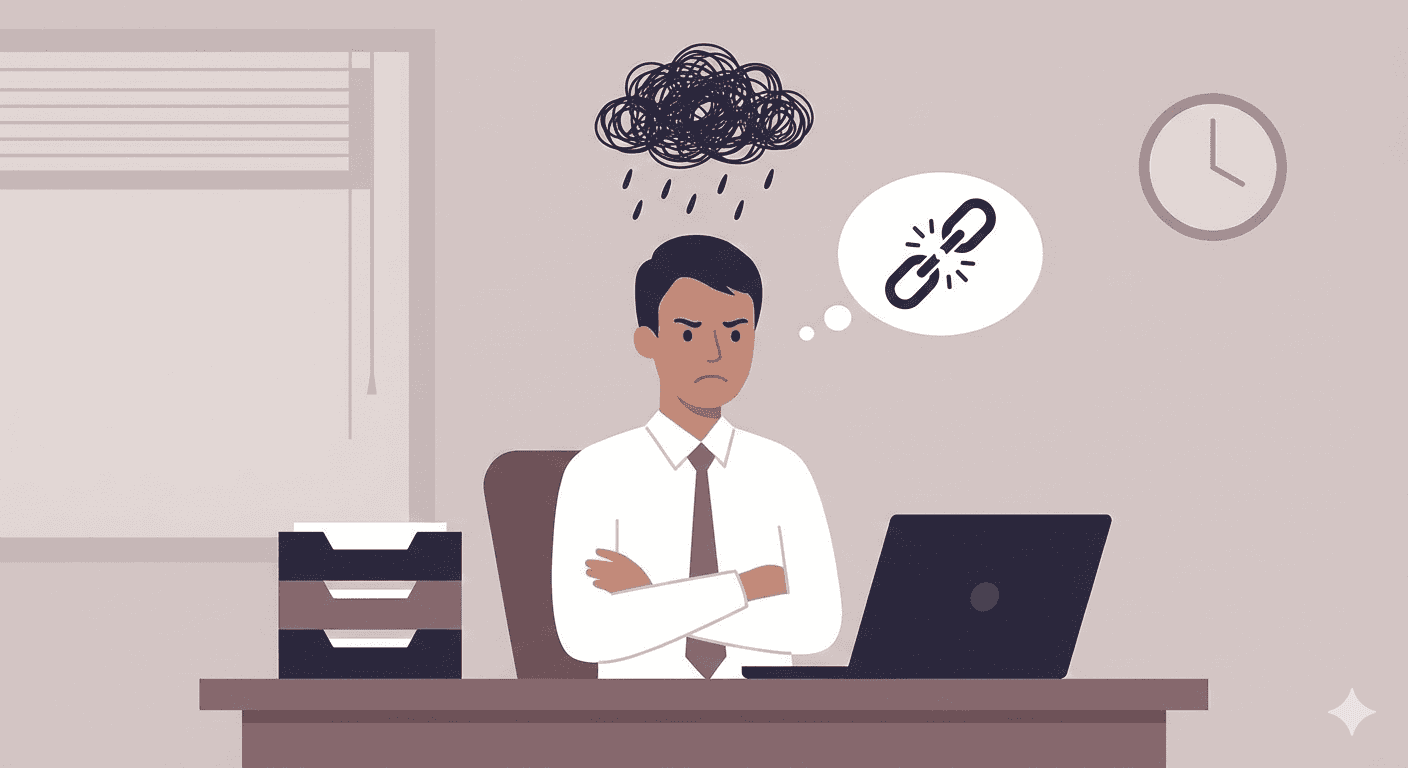
By 2026, these moments will define people experience far more than engagement scores.
Leaders will be expected to understand not just how people are performing, but how they are experiencing work while performing.
What People Experience Will Mean in 2026
In 2026, people experience will be understood as the answer to one question employees ask themselves every day:
Does this organization notice me when it matters?
That question shows up everywhere - In flexibility decisions that feel fair or arbitrary, in wellbeing conversations that happen early or never, in growth discussions that feel genuine or transactional.
People experience becomes the sum of these lived moments, not formal initiatives.
What Leaders Must Prepare For Now
1. Experience Will Be Judged in Real Time
By 2026, delayed responses will damage trust.
Employees will expect leaders to notice changes in energy, engagement, and confidence without being prompted. Waiting to be told will feel like indifference.
Leaders must prepare to operate with continuous awareness, not periodic check-ins.
2. Silence Will Be Treated as Feedback
When employees stop speaking, contributing, or challenging ideas, it will no longer be seen as neutrality.
It will be recognized as a warning sign.
People experience in 2026 will be shaped by whether leaders can recognise silence as disengagement rather than comfort.
3. Flexibility Will Expose Leadership Gaps
Flexibility will no longer impress anyone.
What will matter is whether flexibility feels consistent, transparent, and fair across teams. When autonomy depends on manager preference rather than shared understanding, people experience suffers.
Leaders must prepare to manage flexibility deliberately, not informally.
4. Wellbeing Will Be Assumed, Not Declared
By 2026, employees will not raise their hands to say they are overwhelmed.
They will assume leaders are paying attention.
Wellbeing will be read through behavior, not surveys. Leaders who wait for explicit signals will always be behind.
5. Growth Will Be the New Retention Indicator
People will increasingly judge their experience by whether they feel they are growing.
Not just through promotions, but through confidence, capability, and clarity.
When growth stalls, disengagement accelerates. Leaders must prepare to talk about development continuously, not only during reviews.
6. Trust Will Be Built or Broken Through Follow-Through
In 2026, trust will not be created through messaging. It will be created through patterns.
Listening followed by action.
Feedback followed by change.
Promises followed by delivery.
When employees see the same issues raised repeatedly without movement, people experience deteriorates quickly.
Why This Matters More Than Ever
The employee who left in 2025 did not leave angrily. She left quietly.
By 2026, more exits will look like this. Calm on the surface. Decided long before the conversation happens.
Organizations that prepare for the future of people experience will not try to predict behaviour. They will learn to notice it earlier.
They will treat people experience as a living system, not a retrospective report.
The Real Question for Leaders
The future of people experience in 2026 comes down to one question:
Will you notice what is happening before your people decide it is too late?
Those who do will build resilient, engaged organizations. Those who do not will keep asking why good people keep leaving, even when everything looks fine.
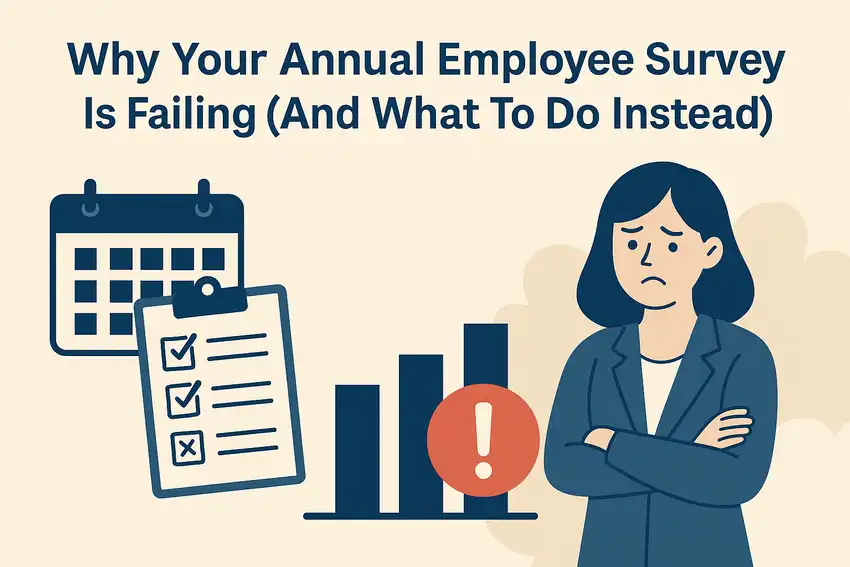
Check out what you can do if your annual surveys are failing here.